
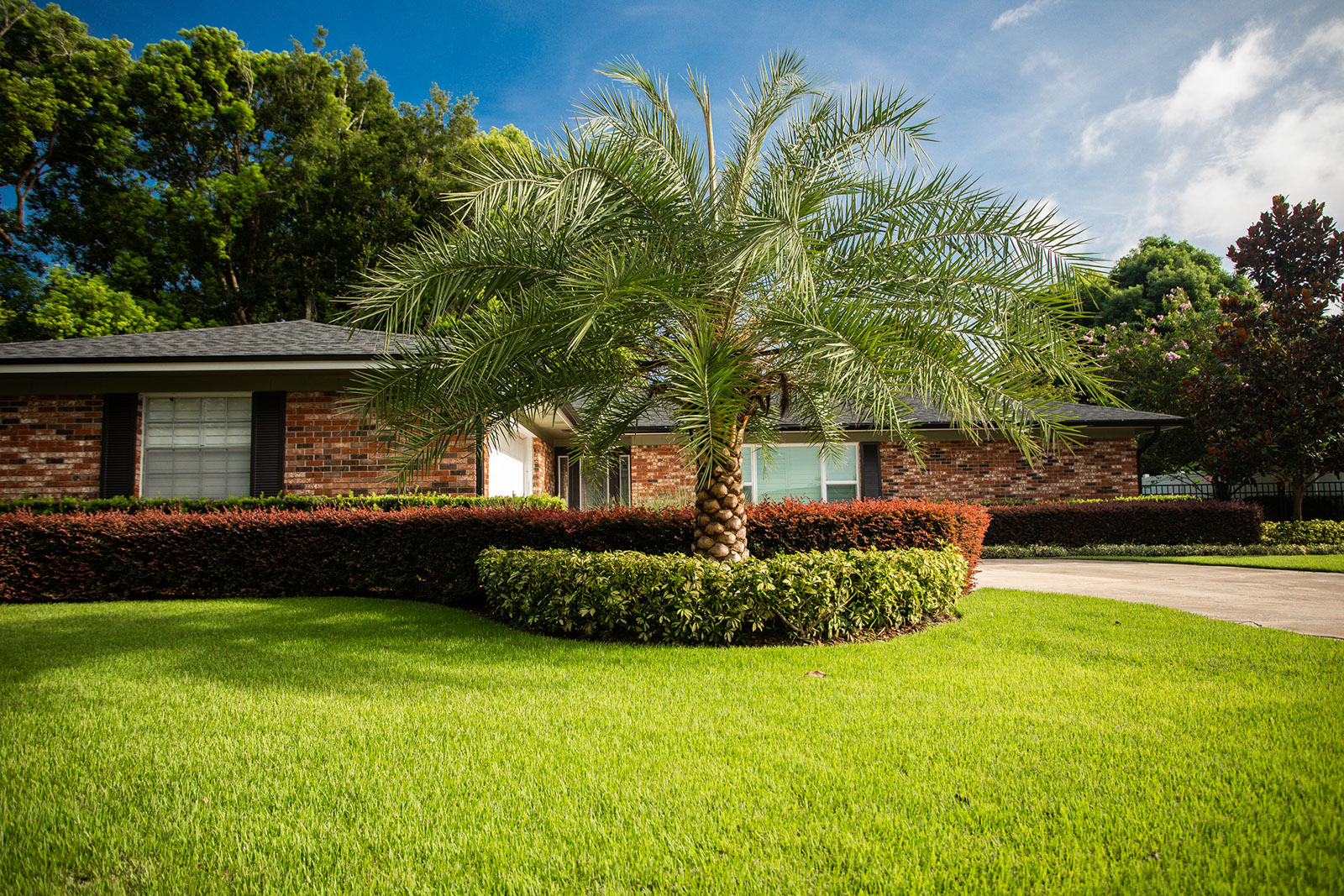
When homeowners compare landscape proposals, the visible plants and materials are only part of the story. A complete transformation brings design, preparation, logistics, craftsmanship, and long-term performance together into one coordinated result.
The investment begins before installation.
Thoughtful landscape work starts with understanding the property. Sun exposure, drainage, architecture, circulation, existing conditions, and mature plant size all influence the design. These decisions determine whether the finished landscape feels connected to the home and functions naturally over time.
Planning also resolves practical questions before crews and materials arrive. Bed geometry, plant quantities, access, irrigation needs, removals, and installation sequence must work together. This preparation may not be the most visible part of a project, but it prevents expensive improvisation and gives every person involved a clear direction.
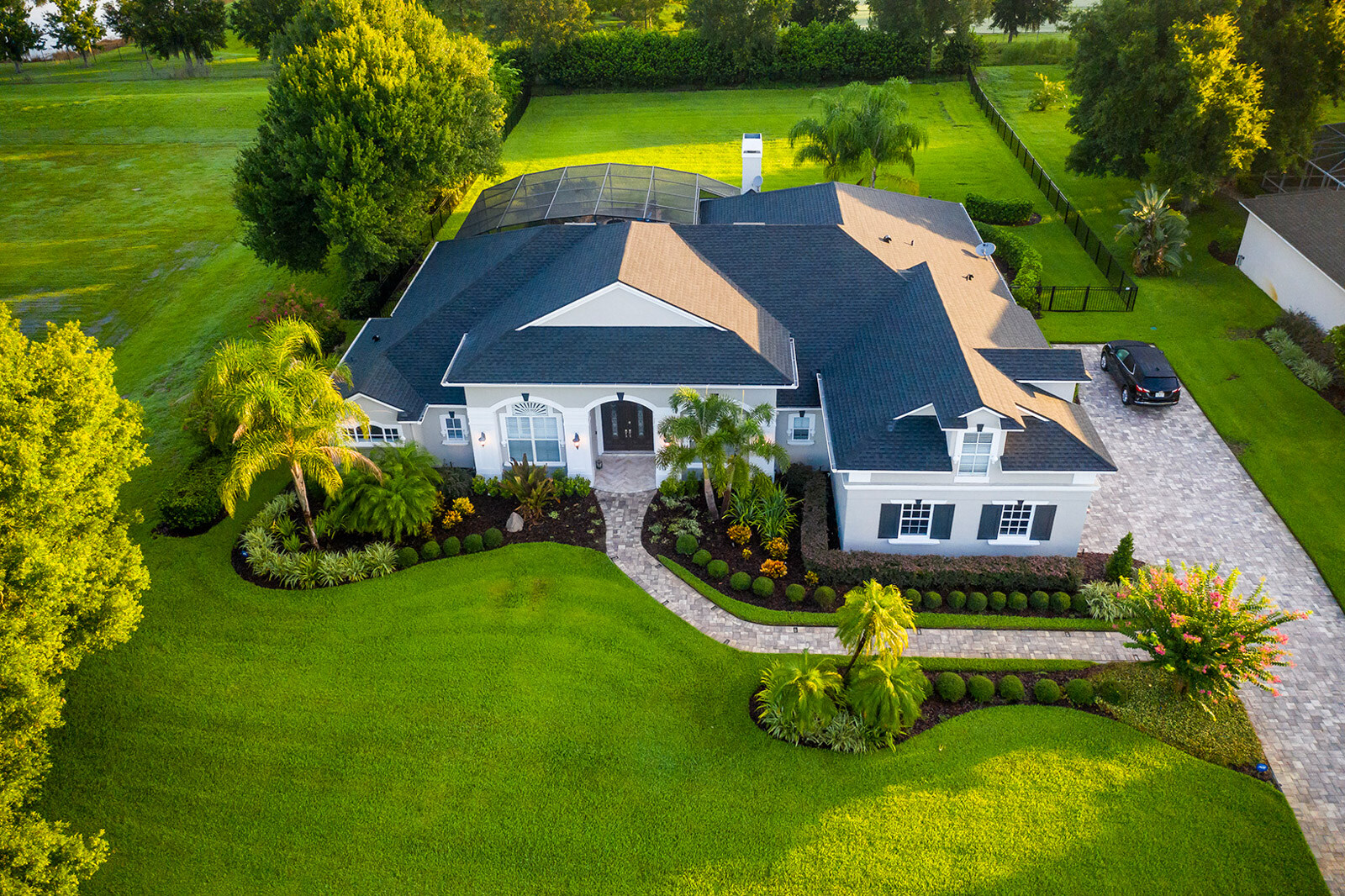
A cohesive plan aligns scale, materials, plant choices, circulation, and priorities before work begins.

Quantities, sourcing, scheduling, and site conditions are organized around one complete result.
Materials are only as good as their installation.
Healthy plants, quality soil amendments, dependable irrigation components, and durable hardscape materials matter. Their performance, however, depends on how they are handled and installed. Correct grading, bed preparation, spacing, planting depth, and finishing details influence both the immediate appearance and the future health of the landscape.
Skilled labor represents experience applied to hundreds of small decisions. A crew must protect the property, work efficiently, respond to conditions revealed during installation, and maintain the design intent from one area to the next. The value is not simply the number of hours on site. It is the judgment carried into those hours.
A well-managed project also accounts for delivery timing, disposal, equipment, cleanup, communication, and quality control. When these responsibilities are coordinated by one team, the homeowner is not left to reconcile disconnected trades or solve preventable conflicts.
“The true investment is not a collection of plants. It is the confidence that every decision contributes to one enduring landscape.
Scope explains more than a single price.
Two proposals can look similar at a glance while representing very different outcomes. Plant sizes, quantities, preparation methods, material quality, irrigation work, removals, access challenges, and finishing standards all affect cost. A clear proposal should help you understand what is included and how the pieces support the finished vision.
It is equally important to define what success means for your home. Some properties need focused improvements. Others require a complete reset to correct layout problems, replace failing material, strengthen curb appeal, and create consistency around the architecture. The right investment follows the result you want, not an arbitrary list of products.
Does the proposal clearly connect design, preparation, materials, installation, and long-term performance?
Long-term value comes from fewer compromises.
A complete transformation should continue to reward the homeowner after installation. Appropriate plant selection reduces avoidable replacement. Proper spacing limits corrective pruning. Strong preparation supports healthier growth, while a cohesive design makes future maintenance and seasonal updates more intentional.
The lowest initial number can become expensive when important steps are omitted or decisions must be revisited. Investing in clarity and craftsmanship at the beginning creates a landscape that feels resolved sooner and performs more reliably as it matures.
The best measure of value is not how much was installed. It is how thoughtfully the property was transformed, how confidently the process was managed, and how well the result continues to serve the home.